
Summer in San Clemente: How Tourist Season Changes Your Accident Risk

A useful way to think about summer in San Clemente is that it doesn’t just add more cars to the road — it adds more of nearly every category of road user at once, in the same relatively small geographic footprint. More pedestrians walking to and from the beach. More cyclists and rental e-bikes on the coastal trail. More rideshare vehicles doing pickups and drop-offs near the Pier and downtown. More parked cars competing for a fixed, and genuinely limited, supply of beach-adjacent parking. And more drivers who don’t live here and aren’t familiar with the timing of local signals, the location of crosswalks, or which streets turn into one-way festival routes on a given weekend.
I-5 Merge Points Near San Clemente and Dana Point: Why These Interchanges Cause So Many Pileups

The stretch of I-5 running through San Clemente and into Dana Point has a few features that make this kind of chain-reaction crash more common than on a typical freeway segment: tight merge lanes, a permanent checkpoint that causes sudden slowdowns, and an interchange in Dana Point where several ramps converge into a single lane. This post looks at why merge points are inherently higher-risk, where the specific trouble spots are locally, and — because multi-vehicle pileups raise legal questions that single-car accidents don’t — how fault typically gets sorted out when three, four, or more vehicles are involved.
PCH Danger Zones in San Clemente: What Local Drivers, Cyclists, and Pedestrians Should Know

This post breaks down the specific stretches of road in and around San Clemente where crashes happen most often, why they happen, and what to do if you find yourself dealing with an accident in one of these areas. Whether you’re a lifelong local or a newer resident still learning the rhythms of this town, understanding these risk points can help you drive, walk, and ride more defensively — and know your options if the worst happens.
The Dangers of Distracted Driving: Statistics, Prevention, and Legal Support
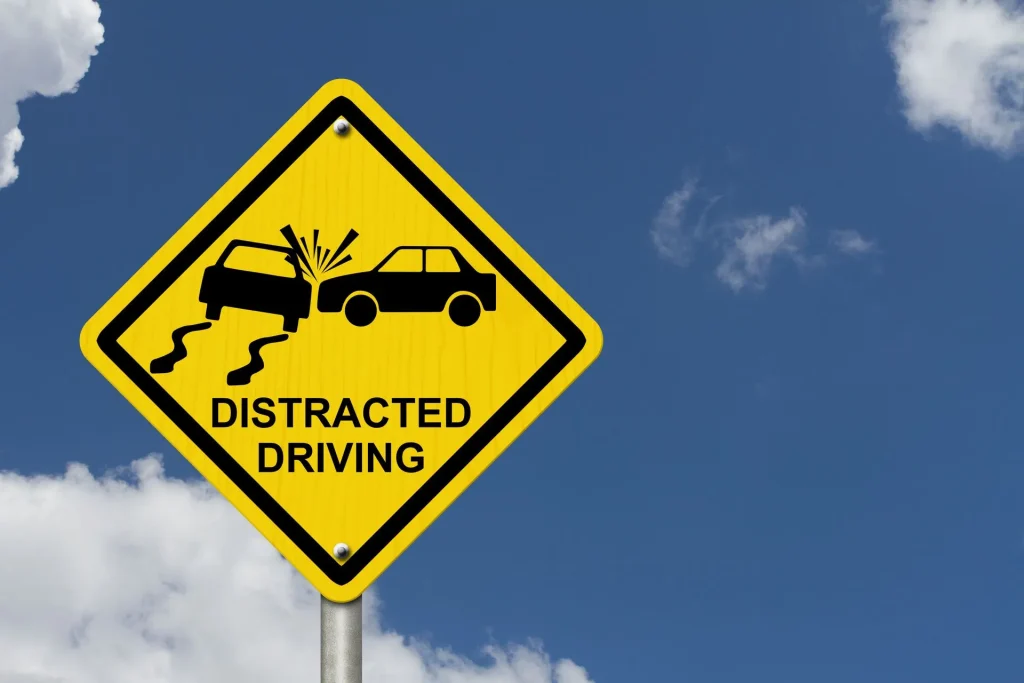
Distracted driving is a growing problem across the United States, and its consequences are often devastating. Distracted driving laws vary by state, with some imposing strict restrictions on all phone use while others focus specifically on texting while driving. Whether it’s texting, adjusting the GPS, or eating while behind the wheel, distractions take a driver’s attention away from the road and drastically increase the likelihood of accidents. In this blog, we’ll explore the rising statistics of distracted driving-related crashes, both nationally and in California, share tips for avoiding distracted driving, and provide guidance on what to do if you’re involved in an accident caused by a distracted driver. We will also explain why it’s essential to hire a local attorney, like Rosen Law Offices, if you need legal representation.
Fatal Wrong-Way Crash on 73 Freeway in Newport Beach Highlights Tragic Consequences of Reckless Driving

On September 15, 2024, a tragic wrong-way collision occurred on the 73 Freeway in Newport Beach, claiming the life of a driver and injuring another. According to reports, a Land Rover SUV traveling the wrong direction collided head-on with a BMW sedan in the southbound lanes of the freeway near MacArthur Boulevard. The violent impact caused the BMW to overturn and catch fire, and the Land Rover’s driver was ejected from the vehicle, resulting in their immediate death. The BMW’s driver sustained injuries and was taken to a local hospital for treatment. This accident is not an isolated incident, as wrong-way driving accidents continue to claim lives across the United States, particularly on high-speed highways like the 73 Freeway. In this article, we will explore the prevalence of wrong-way crashes, their contributing factors, and potential preventive measures, as well as the legal recourse available to victims of such incidents.
Navigating Underinsured Motorist (UIM) Claims Against First-Party Insurers: Comprehensive Guide for Claimants
Dealing with an underinsured motorist (UIM) claim is a process fraught with complexity, requiring claimants to navigate intricate legal and insurance frameworks, often while recovering from the physical and emotional trauma of an accident. At Rosen Law Offices in Dana Point, CA, we specialize in guiding our clients through this often frustrating process, ensuring that they receive the compensation they deserve. This expanded guide offers an in-depth look at the key stages of handling a UIM claim, common obstacles claimants face, tips for maximizing compensation, and why hiring a local, experienced attorney can make all the difference.
San Clemente Cycling Accidents
Protecting San Clemente Cyclists: Legal Support from Rosen Law Offices
The Most Common Head Injuries from Bike Crashes and How to Prevent Them
Are you concerned about the risk of head injury from a bicycle crash? If so, you are not alone. Head injuries are the most common type of injury sustained in bike crashes, and wearing the best helmets can help prevent them. Unfortunately, many people don’t take the time to learn about the types of head injuries that can result from a bike crash or how to best protect themselves from them. In this blog post, we will cover the most common bike crash head injuries and the best ways to prevent them. Are you concerned about the possibility of getting a head injury from a bike crash? If so, you’re not alone. Every year, thousands of cyclists suffer from bike crash head injuries, and it’s important to know how to protect yourself in case the worst happens. In this blog post, we’ll cover the most common head injuries from bike crashes, the best helmets for protection, and the steps you can take to prevent bike accidents altogether. So keep reading to stay safe on your bike! Understanding the risks of bike crashes and head injuries
Mastering California Vehicles Codes for Bicycles: Group Ride Etiquette and Safety Tips
Mastering California’s bicycle laws and group ride etiquette is essential for cyclists of all skill levels. By understanding the rules of the road and the intricacies of group ride dynamics, you can ensure a safe and enjoyable cycling experience for yourself and your fellow riders. In this blog post, we’ll delve into the California Vehicles Codes for bicycles, group ride etiquette, and safety tips to help you navigate the Golden State’s roads like a pro. Short Summary Comprehensive guide on California Vehicle Codes for bicycles and their impact on group ride etiquette & safety. Adhere to traffic laws, communication protocols, formation/spacing rules when sharing the road with motorists. Wear a helmet (required under 18) and practice defensive riding techniques for safe cycling in California. Understanding California Vehicle Codes for Bicycles
Riding the Future: Navigating the Latest California E-Bikes Regulations and Trends
E-bikes are shaping the way Californians commute and explore, with nuanced regulations and emerging trends at the forefront of this evolution. Understanding the landscape of california ebikes is crucial, whether you’re a potential buyer or a current rider. This straightforward guide will walk you through the essential classifications, legalities, and practical insights, preparing you for a safe and enjoyable e-biking experience in the Golden State. Key Takeaways California categorizes e-bikes into three classes with distinct features: Class 1 are pedal-assist with a 20 mph speed limit, Class 2 are throttle-controlled also with a 20 mph limit, while Class 3 are pedal-assist with a 28 mph limit suitable for faster commutes. E-bike riders in California must comply with legal requirements such as riding close to the road’s right side, following local ordinances on trails, and meeting age and helmet requirements (especially under-18s and Class 3 e-bike riders) To promote safety, California e-bikes must have motors not exceeding 750 watts, labeled with classification and specs, and equipped with safety gear for visibility. Routine maintenance and understanding accident risks are crucial for prevention. Understanding California’s Electric Bike Classifications In the Golden State, electric bikes are categorized into three distinct classes: Class 1, Class 2, and Class 3. Each class has its unique features and performance capabilities, making them suitable for different terrains and riding preferences. Grasping these classifications forms the cornerstone of a safe and satisfying e-bike ride, with each class adhering to distinct regulations and speed limits. Class 1: Pedal-Assist Bikes Class 1 e-bikes, commonly known as pedal-assist bikes, offer a unique blend of fitness and comfort. These e-bikes provide assistance only when you’re pedaling, with the assistance cutting off once you hit the speed of 20 mph. So, what’s the magic behind the pedal-assist mechanism? As you pedal, the system monitors your effort and signals the motor to provide the right amount of help, creating a harmonious blend of human power and electric assistance. City streets to off-road trails, Class 1 e-bikes cater to a wide spectrum of terrains due to their versatility. Class 2: Throttle-Controlled E-Bikes Ever wished for a bike that gives you full power at the push of a button? Say hello to Class 2 e-bikes. With immediate access to full power without the need to pedal, these throttle-controlled e-bikes cater well to riders who prize flexibility. The throttle-control system, typically mounted on the handlebars, lets you control the bike’s speed, giving you the convenience of riding without pedaling when desired. Like Class 1, Class 2 e-bikes in California also have a speed limit of 20 mph. Class 3: Speedier Commuter Options Designed for the fast lane, Class 3 e-bikes are the speediest of the lot. These e-bikes come with a motor that provides assistance only when you’re pedaling and cuts off when you hit the speed of 28 mph, making them suitable for quicker commutes. The potent motor in Class 3 e-bikes empowers riders to attain higher speeds, facilitating quicker coverage of longer distances. So, if you’re someone who values efficiency and speed without breaking much of a sweat, Class 3 e-bikes could be your perfect commuting partner. The Legalities of Riding E-Bikes in California