
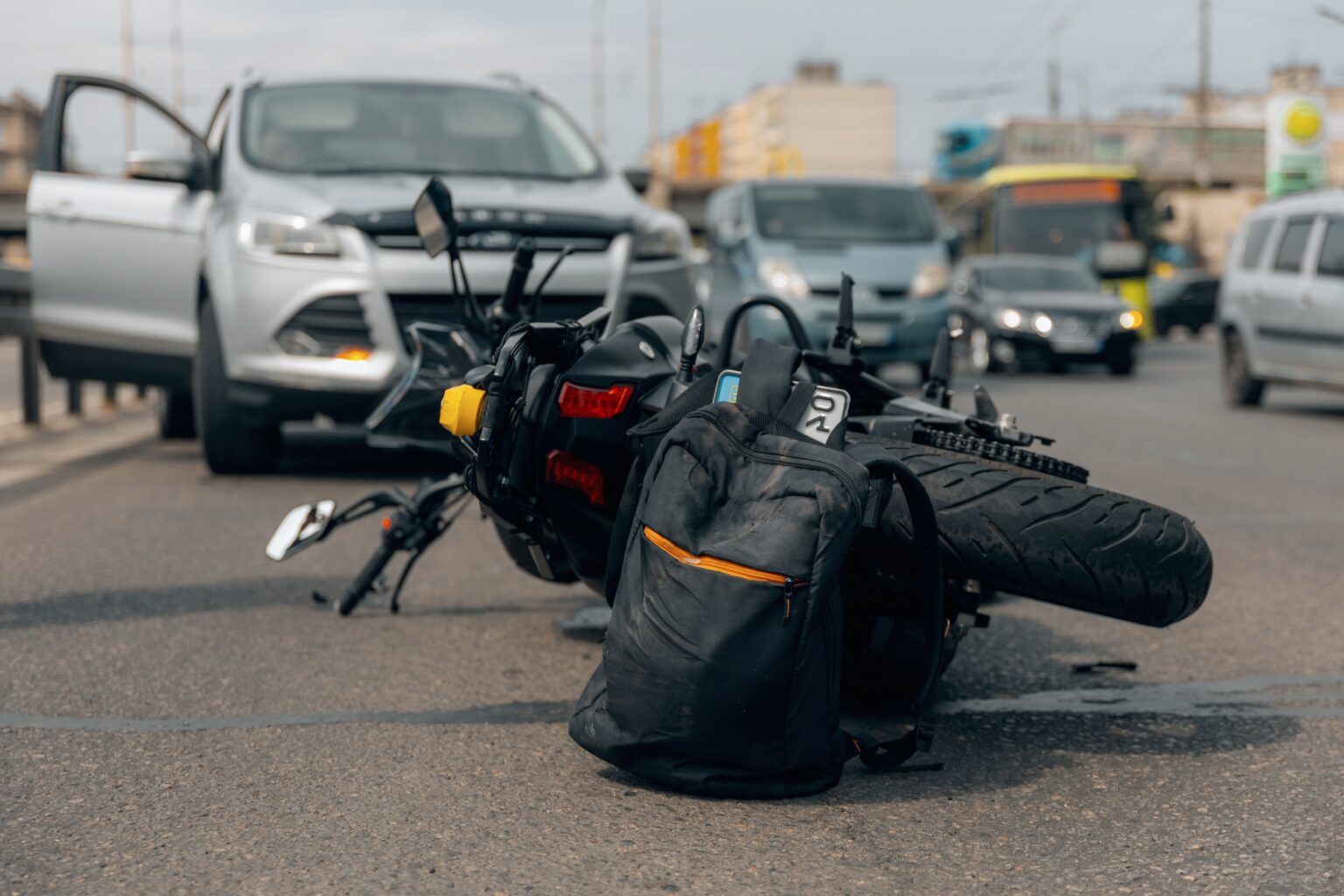
Motorcycle Accidents on the Ortega Highway
State Route 74 — the Ortega Highway — begins its climb into the Cleveland National Forest right at San Juan Capistrano, just inland from San Clemente and Dana Point, and within minutes it becomes one of the most notorious motorcycle roads in California. Locals and riders alike know sections of it by nicknames that don't leave much to the imagination: Dead Man's Curve, Ricochet Alley, Blood Alley. For riders based in South Orange County, the Ortega isn't some distant, occasional destination — it's often the closest genuine canyon road, and a regular weekend ride for many. This post looks at what makes this specific stretch of road so dangerous, how fault typically gets analyzed in an Ortega Highway crash, and what riders and their families should know if the worst happens.
Continue Reading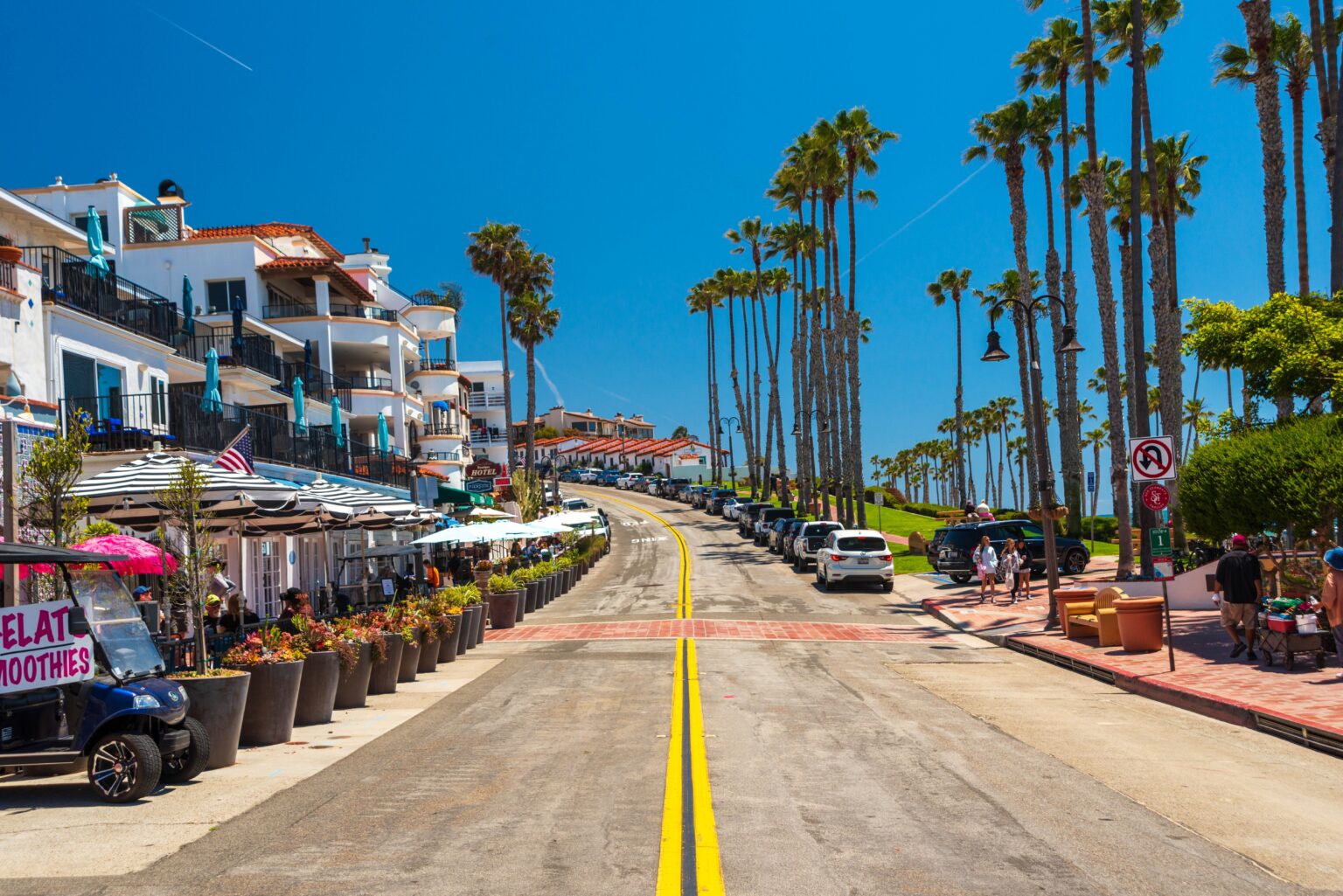
Golf Cart and NEV Accidents in Beach Communities
Many of San Clemente and Dana Point's planned communities and gated neighborhoods have their own rules about golf cart and NEV use — designated routes, speed limits within the community, registration with the HOA itself, and so on. It's important to understand that these are separate from, and don't substitute for, DMV registration and insurance requirements. An HOA might permit golf cart use on its private roads under its own community rules, but the moment that same vehicle crosses onto a public street, the state's registration, insurance, and vehicle classification requirements apply regardless of what the HOA's internal rules say. We've seen cases where an owner reasonably assumed that because their HOA allowed cart use throughout the community, they were also covered to drive on the public streets connecting different sections of a larger development — an assumption that can leave a gap in both legal compliance and insurance coverage.
Continue Reading
Back-to-School Season: Protecting Kids Who Walk or Bike to Class
Every August, San Clemente's streets fill back up with kids walking and biking to school after a summer of comparatively open roads, and every August, that transition catches some drivers off guard. Parents spend the weeks before school starts thinking about supplies and schedules; drivers rarely spend the same amount of time thinking about the fact that their commute is about to include far more child pedestrians and cyclists than it did in July. This post covers what California law actually requires around schools and school buses, why the transition period carries elevated risk, and what parents and drivers alike should know.
Continue Reading
Skateboard Accidents Near the Beach Trail: Who’s At Fault And What To Do
Skateboards and longboard skateboards are a genuine mode of transportation in San Clemente, not just a hobby — commuters cruising to the train station, teenagers riding to the beach, longtime locals who've skated the same stretch of the trail for decades. That everyday presence means skateboard and longboard accidents show up regularly among the injury claims we see, and they raise a mix of legal questions that don't map cleanly onto either standard pedestrian law or standard cyclist law. This post looks at how California treats skateboarders on the road and trail, where liability tends to land in the most common accident patterns, and what to do if you're hurt while riding.
Continue Reading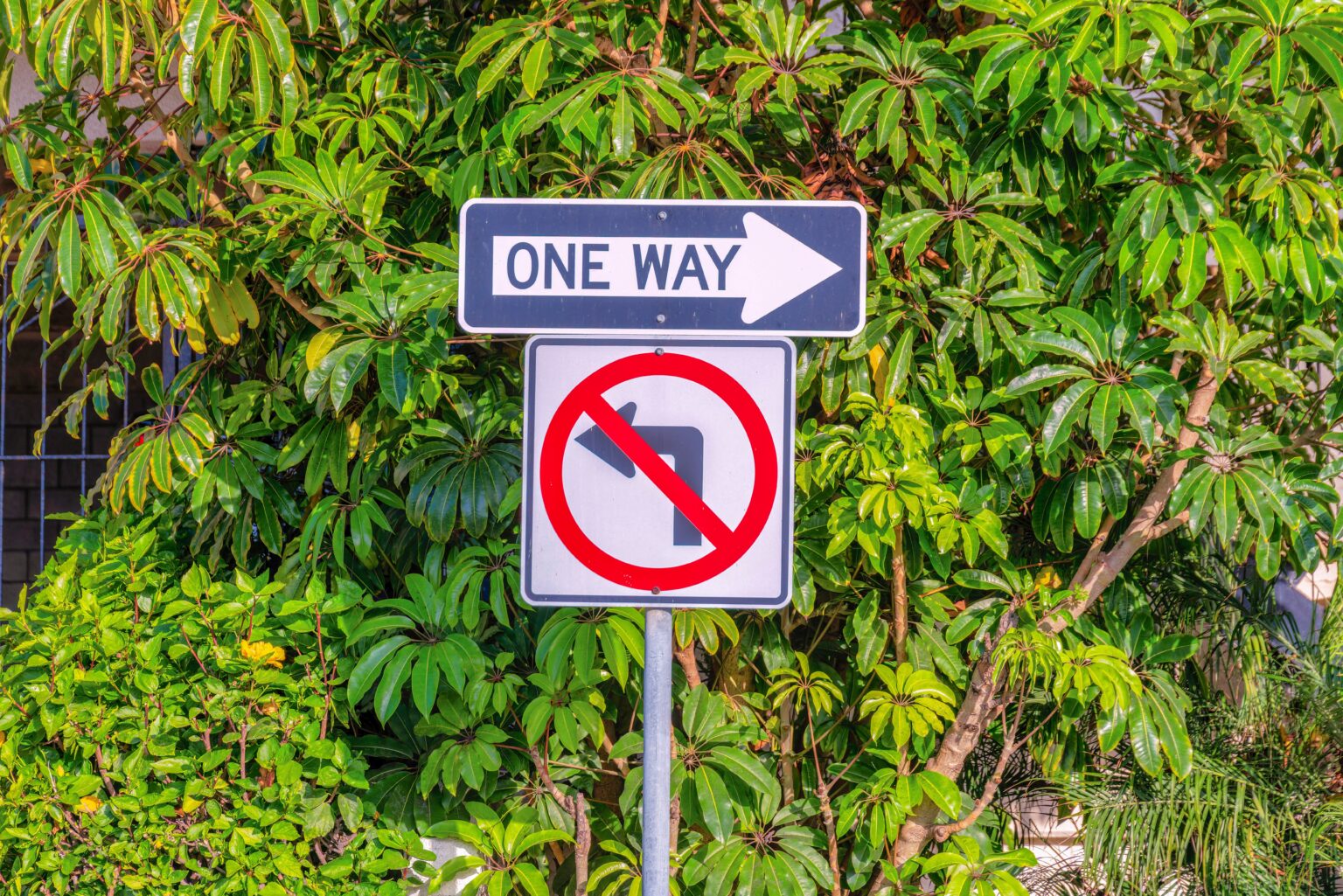
Left-Turn Accidents at Busy Intersections: Camino de Estrella and Avenida Vista Hermosa
Most accidents require reconstructing exactly what happened to figure out who was careless. Left-turn accidents start from a different place: California Vehicle Code Section 21801 places a specific, affirmative duty on the turning driver. The statute requires a driver turning left, or making a U-turn, to yield the right-of-way to all oncoming vehicles close enough to constitute a hazard, and to keep yielding until the turn can be completed safely. That duty doesn't end the moment the driver starts turning — it continues throughout the entire turning movement. Because of this, California courts and insurance adjusters generally start from a presumption that the left-turning driver was at fault in a collision with oncoming traffic. This isn't an automatic, unchallengeable conclusion — it's a presumption that can be overcome with evidence — but it does mean the turning driver typically carries the burden of showing why the presumption shouldn't apply to their case.
Continue Reading
Pedestrian Safety at the San Clemente Pier
Few spots capture what San Clemente is about better than the Pier and the Pier Bowl area around it — surfers carrying boards across the street at dawn, families walking down to the sand with beach chairs and coolers, the Thursday night crowds spilling out after a summer concert, visitors wandering between the shops on Avenida Del Mar and the water. It's also one of the highest foot-traffic areas in the city, where pedestrians, cars, cyclists, and skateboarders all compete for the same limited space. Understanding exactly what legal protections you have as a pedestrian here — and what obligations you carry in return — matters both for staying safe and for knowing where you stand if you're ever involved in an accident.
Continue Reading
Distracted Driving Along Del Obispo Street- A Problem in a Growing Community
Del Obispo Street is one of Dana Point's busiest corridors, connecting Dana Point Harbor and the Town Center all the way through to Laguna Niguel and San Juan Capistrano, with access along the way to schools, retail centers, and the Del Obispo Street/Stonehill Drive intersection that regularly sees enough congestion that the cities of Dana Point and San Juan Capistrano have jointly funded improvement projects to address it. That kind of steady, stop-and-go corridor — school traffic, retail turns, signal after signal — is exactly the environment where distracted driving does the most damage, because it demands constant, active attention in a way that open highway driving simply doesn't.
Continue Reading
Hit-and-Run Accidents: Your Rights in California
California divides hit-and-run offenses into two categories based on the severity of the accident, and the distinction matters both for how the fleeing driver gets prosecuted and, indirectly, for how a victim's civil claim unfolds. Vehicle Code Section 20001 covers accidents involving injury or death. Any driver involved in an accident that injures or kills someone else is legally required to stop immediately, provide identifying information, and render reasonable assistance. Failing to do so is a "wobbler" offense, meaning prosecutors can charge it as either a misdemeanor or a felony depending on the severity of the injury and the driver's history. A felony conviction can carry state prison time, substantial fines, and an order of victim restitution. Vehicle Code Section 20002 covers accidents involving only property damage. If a driver strikes a parked car, a fence, or another vehicle without injuring anyone, they're still legally required to stop and either locate the owner or leave identifying information in a conspicuous place. Failing to do so is a misdemeanor, punishable by up to six months in county jail and a fine. Importantly, the duty to stop applies even to a driver who didn't cause the accident. If you're involved in a collision as the non-at-fault driver, you're still required to stop, exchange information, and render assistance if needed — the hit-and-run laws apply based on involvement in the accident, not based on who was at fault for causing it.
Continue Reading
E-Bike Accidents: Insurance Gaps and Liability Questions
E-bikes have become a fixture of daily life in San Clemente — residents commuting along the beach trail, teenagers riding to school and the beach, visitors picking up rentals for the day. They're convenient, increasingly affordable, and, in the case of Class 3 models, genuinely fast. What a lot of e-bike owners and riders don't realize until something goes wrong is that the insurance picture around e-bikes is considerably murkier than it is for either a traditional bicycle or a car. This post focuses specifically on that insurance and liability gap — a topic distinct from the right-of-way rules covered in our post on cycling the San Clemente Beach Trail — and walks through what actually happens, coverage-wise, when an e-bike is involved in a collision, a theft, or a battery-related fire.
Continue Reading
Uber and Lyft Accidents: Who’s Liable in California?
San Clemente doesn't have much in the way of late-night public transit, and that gap gets filled by rideshare — Uber and Lyft pickups and drop-offs are a routine sight around the Pier, along Avenida Del Mar's restaurants, and during summer events like the Ocean Festival and Fiesta Music Festival, when parking is scarce and a lot of visitors would rather not drive after a full day in the sun. Rideshare has also become a common way to connect from the Metrolink station to somewhere further from downtown. All of that means a meaningful share of the accidents South Orange County residents deal with now involve a rideshare vehicle in some capacity — as a driver, a passenger, or the other car involved.
Continue Reading
Cycling the San Clemente Beach Trail: Know Your Rights
San Clemente is one of the more bike-friendly cities in Southern California, and the coastal trail system — running along the beach and continuing north toward Capistrano Beach and Dana Point — is a big part of daily life here, whether you're commuting, exercising, or just enjoying the ride. It's also a place where cyclists, e-bike riders, pedestrians, and cars regularly share space in ways that don't always go smoothly. When a collision happens between a bicycle and a vehicle, one of the first questions that comes up — often from the cyclist themselves — is who actually had the right of way.
Continue Reading
Summer in San Clemente: How Tourist Season Changes Your Accident Risk
A useful way to think about summer in San Clemente is that it doesn't just add more cars to the road — it adds more of nearly every category of road user at once, in the same relatively small geographic footprint. More pedestrians walking to and from the beach. More cyclists and rental e-bikes on the coastal trail. More rideshare vehicles doing pickups and drop-offs near the Pier and downtown. More parked cars competing for a fixed, and genuinely limited, supply of beach-adjacent parking. And more drivers who don't live here and aren't familiar with the timing of local signals, the location of crosswalks, or which streets turn into one-way festival routes on a given weekend.
Continue Reading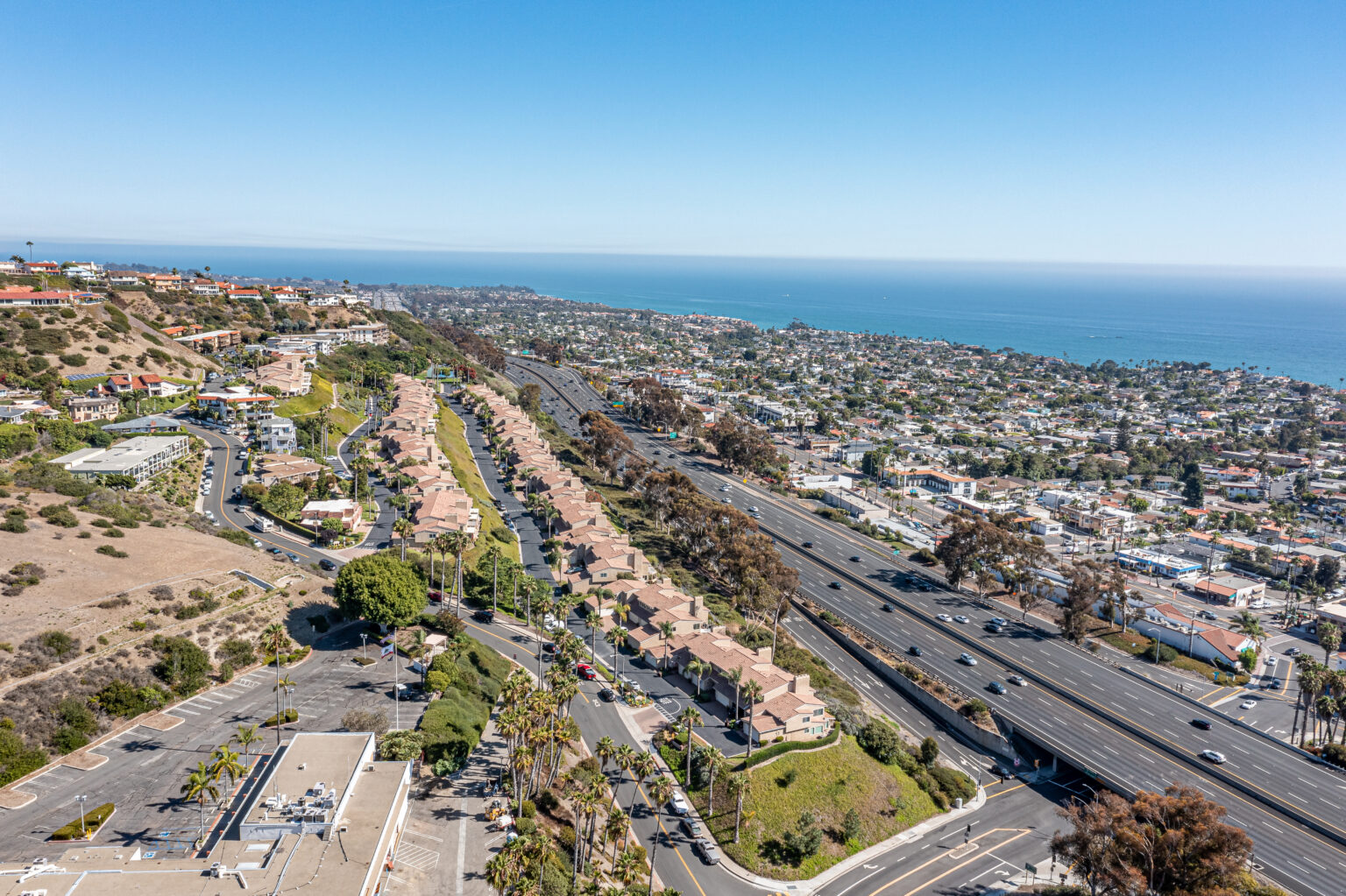
I-5 Merge Points Near San Clemente and Dana Point: Why These Interchanges Cause So Many Pileups
The stretch of I-5 running through San Clemente and into Dana Point has a few features that make this kind of chain-reaction crash more common than on a typical freeway segment: tight merge lanes, a permanent checkpoint that causes sudden slowdowns, and an interchange in Dana Point where several ramps converge into a single lane. This post looks at why merge points are inherently higher-risk, where the specific trouble spots are locally, and — because multi-vehicle pileups raise legal questions that single-car accidents don't — how fault typically gets sorted out when three, four, or more vehicles are involved.
Continue Reading
PCH Danger Zones in San Clemente: What Local Drivers, Cyclists, and Pedestrians Should Know
This post breaks down the specific stretches of road in and around San Clemente where crashes happen most often, why they happen, and what to do if you find yourself dealing with an accident in one of these areas. Whether you're a lifelong local or a newer resident still learning the rhythms of this town, understanding these risk points can help you drive, walk, and ride more defensively — and know your options if the worst happens.
Continue Reading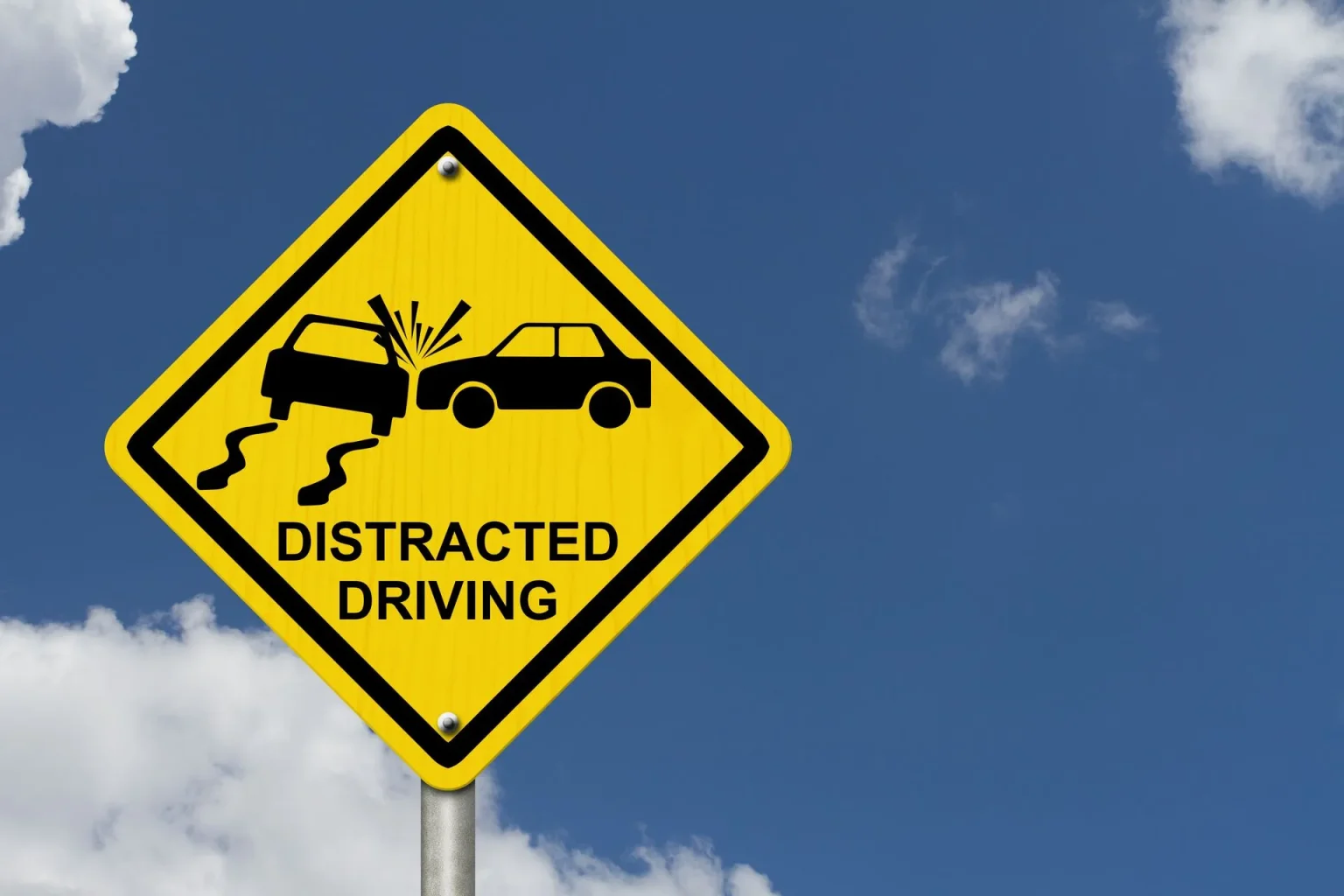
The Dangers of Distracted Driving: Statistics, Prevention, and Legal Support
Distracted driving is a growing problem across the United States, and its consequences are often devastating. Distracted driving laws vary by state, with some imposing strict restrictions on all phone use while others focus specifically on texting while driving. Whether it’s texting, adjusting the GPS, or eating while behind the wheel, distractions take a driver’s attention away from the road and drastically increase the likelihood of accidents. In this blog, we’ll explore the rising statistics of distracted driving-related crashes, both nationally and in California, share tips for avoiding distracted driving, and provide guidance on what to do if you’re involved in an accident caused by a distracted driver. We will also explain why it’s essential to hire a local attorney, like Rosen Law Offices, if you need legal representation.
Continue Reading
Fatal Wrong-Way Crash on 73 Freeway in Newport Beach Highlights Tragic Consequences of Reckless Driving
On September 15, 2024, a tragic wrong-way collision occurred on the 73 Freeway in Newport Beach, claiming the life of a driver and injuring another. According to reports, a Land Rover SUV traveling the wrong direction collided head-on with a BMW sedan in the southbound lanes of the freeway near MacArthur Boulevard. The violent impact caused the BMW to overturn and catch fire, and the Land Rover’s driver was ejected from the vehicle, resulting in their immediate death. The BMW’s driver sustained injuries and was taken to a local hospital for treatment. This accident is not an isolated incident, as wrong-way driving accidents continue to claim lives across the United States, particularly on high-speed highways like the 73 Freeway. In this article, we will explore the prevalence of wrong-way crashes, their contributing factors, and potential preventive measures, as well as the legal recourse available to victims of such incidents.
Continue ReadingNavigating Underinsured Motorist (UIM) Claims Against First-Party Insurers: Comprehensive Guide for Claimants
Dealing with an underinsured motorist (UIM) claim is a process fraught with complexity, requiring claimants to navigate intricate legal and insurance frameworks, often while recovering from the physical and emotional trauma of an accident. At Rosen Law Offices in Dana Point, CA, we specialize in guiding our clients through this often frustrating process, ensuring that they receive the compensation they deserve. This expanded guide offers an in-depth look at the key stages of handling a UIM claim, common obstacles claimants face, tips for maximizing compensation, and why hiring a local, experienced attorney can make all the difference.
Continue ReadingSan Clemente Cycling Accidents
Protecting San Clemente Cyclists: Legal Support from Rosen Law Offices
Continue ReadingThe Most Common Head Injuries from Bike Crashes and How to Prevent Them
Are you concerned about the risk of head injury from a bicycle crash? If so, you are not alone. Head injuries are the most common type of injury sustained in bike crashes, and wearing the best helmets can help prevent them. Unfortunately, many people don’t take the time to learn about the types of head injuries that can result from a bike crash or how to best protect themselves from them. In this blog post, we will cover the most common bike crash head injuries and the best ways to prevent them. Are you concerned about the possibility of getting a head injury from a bike crash? If so, you're not alone. Every year, thousands of cyclists suffer from bike crash head injuries, and it's important to know how to protect yourself in case the worst happens. In this blog post, we'll cover the most common head injuries from bike crashes, the best helmets for protection, and the steps you can take to prevent bike accidents altogether. So keep reading to stay safe on your bike! Understanding the risks of bike crashes and head injuries
Continue ReadingMastering California Vehicles Codes for Bicycles: Group Ride Etiquette and Safety Tips
Mastering California’s bicycle laws and group ride etiquette is essential for cyclists of all skill levels. By understanding the rules of the road and the intricacies of group ride dynamics, you can ensure a safe and enjoyable cycling experience for yourself and your fellow riders. In this blog post, we’ll delve into the California Vehicles Codes for bicycles, group ride etiquette, and safety tips to help you navigate the Golden State’s roads like a pro. Short Summary Comprehensive guide on California Vehicle Codes for bicycles and their impact on group ride etiquette & safety. Adhere to traffic laws, communication protocols, formation/spacing rules when sharing the road with motorists. Wear a helmet (required under 18) and practice defensive riding techniques for safe cycling in California. Understanding California Vehicle Codes for Bicycles
Continue ReadingRiding the Future: Navigating the Latest California E-Bikes Regulations and Trends
E-bikes are shaping the way Californians commute and explore, with nuanced regulations and emerging trends at the forefront of this evolution. Understanding the landscape of california ebikes is crucial, whether you’re a potential buyer or a current rider. This straightforward guide will walk you through the essential classifications, legalities, and practical insights, preparing you for a safe and enjoyable e-biking experience in the Golden State. Key Takeaways California categorizes e-bikes into three classes with distinct features: Class 1 are pedal-assist with a 20 mph speed limit, Class 2 are throttle-controlled also with a 20 mph limit, while Class 3 are pedal-assist with a 28 mph limit suitable for faster commutes. E-bike riders in California must comply with legal requirements such as riding close to the road’s right side, following local ordinances on trails, and meeting age and helmet requirements (especially under-18s and Class 3 e-bike riders) To promote safety, California e-bikes must have motors not exceeding 750 watts, labeled with classification and specs, and equipped with safety gear for visibility. Routine maintenance and understanding accident risks are crucial for prevention. Understanding California's Electric Bike Classifications In the Golden State, electric bikes are categorized into three distinct classes: Class 1, Class 2, and Class 3. Each class has its unique features and performance capabilities, making them suitable for different terrains and riding preferences. Grasping these classifications forms the cornerstone of a safe and satisfying e-bike ride, with each class adhering to distinct regulations and speed limits. Class 1: Pedal-Assist Bikes Class 1 e-bikes, commonly known as pedal-assist bikes, offer a unique blend of fitness and comfort. These e-bikes provide assistance only when you’re pedaling, with the assistance cutting off once you hit the speed of 20 mph. So, what’s the magic behind the pedal-assist mechanism? As you pedal, the system monitors...
Continue ReadingOrange County Bike Accident Lawyer
Orange County has a high number of bicycle accidents, with thousands of traffic accidents involving bicycles and numerous fatalities reported in recent years. In fact, Orange County ranks second in terms of bicycle accidents and cyclist deaths in California. The introduction of e-bikes has also contributed to the increasing number of bicycle rider injuries and fatalities, with a staggering 500% increase in e-bike accidents reported in just one year. These alarming statistics highlight the urgent need for effective safety measures and increased awareness among both cyclists and drivers. By understanding the risks and taking necessary precautions, cyclists can significantly reduce their chances of being involved in a bicycle accident, protecting themselves and others on the road.
Continue ReadingEssential Steps to Take After a Trucking Accident: Your Legal and Safety Guide
What should you do immediately after a trucking accident? Knowing the right steps could save lives and protect your legal interests. This guide walks you through critical post-accident procedures: securing the scene, fulfilling legal requirements, and preparing for potential claims — all the practical advice you need without any fluff. Key Takeaways Ensuring safety and fulfilling legal obligations immediately after a trucking accident are critical, including setting up safety signals, providing accurate information to authorities, and documenting the incident with a police report. Common causes of truck accidents include driver fatigue, reckless driving, poor road maintenance, and unrealistic delivery schedules, highlighting the importance of responsible behavior from both drivers and trucking companies. Truck accident claims are often complex, involving multiple parties and the need for specialized legal assistance, and they may result in substantial financial repercussions for injury and property damage compensation. Navigating the Aftermath of a Trucking Accident
Continue ReadingUnderstanding CA Prop 213: Navigating Car Accident Claims in California
Driving in California has its unique set of rules and regulations, and one such regulation that has a profound impact on car accident claims is California Proposition 213— a law that may seem like a riddle wrapped in a mystery inside an enigma. Are you an uninsured driver, a passenger, or even a felon? CA Prop 213 has something for everyone. And, like a double-edged sword, it cuts both ways. Buckle up as we take you on a journey through the labyrinth of CA Prop 213, where we’ll uncover its impacts, navigate its complexities, and help you steer clear of its pitfalls. Key Takeaways Prop 213, or the Personal Responsibility Act, restricts uninsured drivers’ rights to non-economic damages in car accidents. Uninsured motorists can still seek economic damages for tangible financial losses caused by a car accident. Adequate insurance and legal counsel are essential measures for protecting oneself against Prop 213’s restrictions and seeking justice after an accident. Deciphering California Proposition 213: A Primer
Continue ReadingWhy Hire Local? – Orange County Car Crash Attorneys
After an Orange County car crash, obtaining the compensation you deserve hinges on skilled legal representation. With a dedicated Orange County car crash lawyer by your side, you’ll have the expertise to navigate legal processes, manage complex insurance negotiations, and secure a just settlement. This article walks you through the pivotal steps and considerations in claiming the damages you’re entitled to with the help of a legal expert attuned to Orange County laws. Key Takeaways Engaging an experienced Orange County car crash lawyer can significantly increase the chances of a favorable settlement by handling legal procedures, negotiating with insurers, and leveraging knowledge of local laws. A car crash lawyer aids in the thorough evaluation of each unique case, involving detailed assessment of damages, securing necessary compensation for medical expenses, lost wages, and non-economic factors like emotional distress. In the event of a car crash, it’s crucial to document the accident scene, seek immediate medical attention regardless of perceived injury severity, and consult with a lawyer to navigate the legal and insurance claims process effectively. Why Hire an Orange County Car Crash Lawyer?
Continue ReadingUnderstanding and Overcoming PTSD Following a Car Accident
Dealing with unexpected emotional upheaval after a car accident could be an indicator of PTSD, an often misunderstood condition impeding daily routine and quality of life. This article dissects PTSD and addresses how it could manifest following a car crash, equipping you with knowledge about its signs and symptoms as well as offering insight into available treatment options without overwhelming medical jargon. Key Takeaways PTSD following a car accident can manifest through a range of symptoms such as intrusive memories, avoidance, mood and thought changes, and alterations in physical and emotional reactions, potentially interfering with daily life for years. The link between motor vehicle accidents and PTSD is significant, with a pooled prevalence of 22.25% among survivors; treatment involving cognitive therapy, exposure therapy, EMDR, medication, and personal coping strategies is available and can be effective. Legal recourse may be available for individuals suffering from PTSD as a result of a car accident, requiring comprehensive documentation and potentially including compensation for both economic and non-economic damages. Understanding Post-Traumatic Stress Disorder (PTSD)
Continue ReadingOrange County Rain: Essential Safety Tips to Prevent Car Accidents
When the skies darken and the heavens unleash an Orange County rain, drivers face a unique set of challenges. The impact is immediate: roads become slick, visibility drops, and the risks of accidents soar. This article heads straight into the heart of these wet weather woes, offering essential safety tips designed to navigate Orange County’s torrential downpours and safeguard your journey from the first droplet to the last. Key Takeaways Orange County’s heavy and sudden rainstorm patterns increase the risk of vehicular accidents by creating slick road surfaces and reducing visibility, requiring drivers to exercise heightened caution and adapt their driving to the conditions. Proper vehicle maintenance, particularly tire tread depth, windshield wipers functionality, and working lights and turn signals, is critical for safe driving under wet weather conditions, allowing for better traction, visibility, and communication with other drivers. Safe driving practices include adjusting speed and following distances, refraining from using cruise control on wet surfaces, avoiding standing water to prevent hydroplaning, and being prepared with the knowledge of how to handle your vehicle if you begin to hydroplane. Understanding Orange County's Rain Patterns and Their Impact on Driving
Continue ReadingDash Cams: Finding the Best Option for Your Vehicle
Dash Cams Reviews from an Orange County Car Accident Attorney's Perspective
Continue ReadingUnderstanding the Surge in 405 Freeway Car Accidents: Safety Tips and Statistics
Car Accident on 405 Freeway. The 405 Freeway is notorious for its high volume of traffic and propensity for vehicle collisions. Multi-vehicle crash dynamics, wrong way driver incidents, recent crashes on the freeway, injuries and fatalities are all contributing factors to car accidents in this area. Preventative measures such as defensive driving techniques can help protect motorists from potential risks when traveling on the 405 Freeway.
Continue ReadingYour Advocate in Crisis: Top Orange County Car Accident Lawyer for Winning Results
Best Orange County Car Crash Attorneys: The sudden, unexpected nature of car accidents can leave victims feeling overwhelmed, disoriented, and unsure of what steps to take next. Amid the chaos and confusion, the importance of pursuing legal assistance, such as an Orange County car accident lawyer, may not immediately come to mind. Yet, having a skilled and experienced lawyer at your side can make the difference between a daunting ordeal and a navigated path towards justice and fair compensation.
Continue Reading