
Pedestrian Safety at the San Clemente Pier
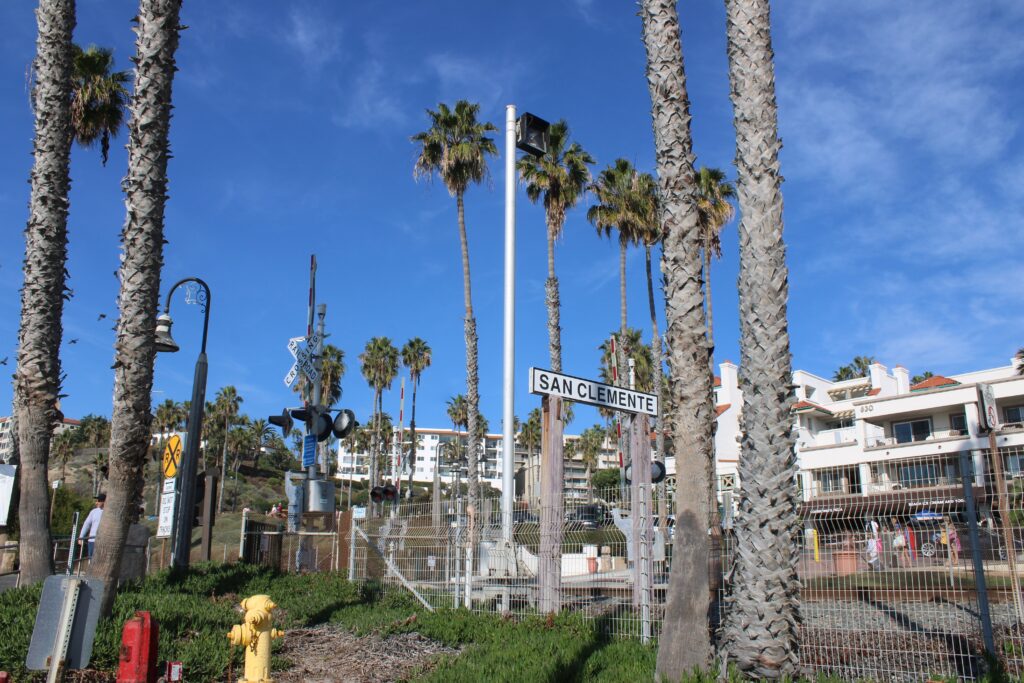
Few spots capture what San Clemente is about better than the Pier and the Pier Bowl area around it — surfers carrying boards across the street at dawn, families walking down to the sand with beach chairs and coolers, the Thursday night crowds spilling out after a summer concert, visitors wandering between the shops on Avenida Del Mar and the water. It’s also one of the highest foot-traffic areas in the city, where pedestrians, cars, cyclists, and skateboarders all compete for the same limited space. Understanding exactly what legal protections you have as a pedestrian here — and what obligations you carry in return — matters both for staying safe and for knowing where you stand if you’re ever involved in an accident.
Distracted Driving Along Del Obispo Street- A Problem in a Growing Community

Del Obispo Street is one of Dana Point’s busiest corridors, connecting Dana Point Harbor and the Town Center all the way through to Laguna Niguel and San Juan Capistrano, with access along the way to schools, retail centers, and the Del Obispo Street/Stonehill Drive intersection that regularly sees enough congestion that the cities of Dana Point and San Juan Capistrano have jointly funded improvement projects to address it. That kind of steady, stop-and-go corridor — school traffic, retail turns, signal after signal — is exactly the environment where distracted driving does the most damage, because it demands constant, active attention in a way that open highway driving simply doesn’t.
Hit-and-Run Accidents: Your Rights in California

California divides hit-and-run offenses into two categories based on the severity of the accident, and the distinction matters both for how the fleeing driver gets prosecuted and, indirectly, for how a victim’s civil claim unfolds.
Vehicle Code Section 20001 covers accidents involving injury or death. Any driver involved in an accident that injures or kills someone else is legally required to stop immediately, provide identifying information, and render reasonable assistance. Failing to do so is a “wobbler” offense, meaning prosecutors can charge it as either a misdemeanor or a felony depending on the severity of the injury and the driver’s history. A felony conviction can carry state prison time, substantial fines, and an order of victim restitution.
Vehicle Code Section 20002 covers accidents involving only property damage. If a driver strikes a parked car, a fence, or another vehicle without injuring anyone, they’re still legally required to stop and either locate the owner or leave identifying information in a conspicuous place. Failing to do so is a misdemeanor, punishable by up to six months in county jail and a fine.
Importantly, the duty to stop applies even to a driver who didn’t cause the accident. If you’re involved in a collision as the non-at-fault driver, you’re still required to stop, exchange information, and render assistance if needed — the hit-and-run laws apply based on involvement in the accident, not based on who was at fault for causing it.
E-Bike Accidents: Insurance Gaps and Liability Questions
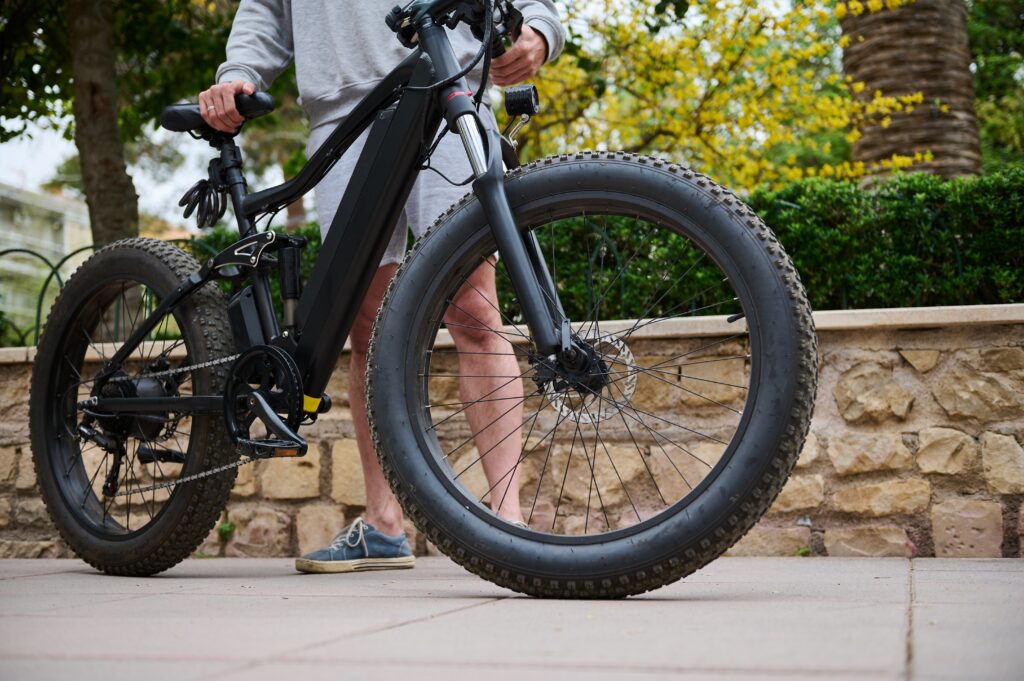
E-bikes have become a fixture of daily life in San Clemente — residents commuting along the beach trail, teenagers riding to school and the beach, visitors picking up rentals for the day. They’re convenient, increasingly affordable, and, in the case of Class 3 models, genuinely fast. What a lot of e-bike owners and riders don’t realize until something goes wrong is that the insurance picture around e-bikes is considerably murkier than it is for either a traditional bicycle or a car. This post focuses specifically on that insurance and liability gap — a topic distinct from the right-of-way rules covered in our post on cycling the San Clemente Beach Trail — and walks through what actually happens, coverage-wise, when an e-bike is involved in a collision, a theft, or a battery-related fire.
Uber and Lyft Accidents: Who’s Liable in California?

San Clemente doesn’t have much in the way of late-night public transit, and that gap gets filled by rideshare — Uber and Lyft pickups and drop-offs are a routine sight around the Pier, along Avenida Del Mar’s restaurants, and during summer events like the Ocean Festival and Fiesta Music Festival, when parking is scarce and a lot of visitors would rather not drive after a full day in the sun. Rideshare has also become a common way to connect from the Metrolink station to somewhere further from downtown. All of that means a meaningful share of the accidents South Orange County residents deal with now involve a rideshare vehicle in some capacity — as a driver, a passenger, or the other car involved.
Cycling the San Clemente Beach Trail: Know Your Rights
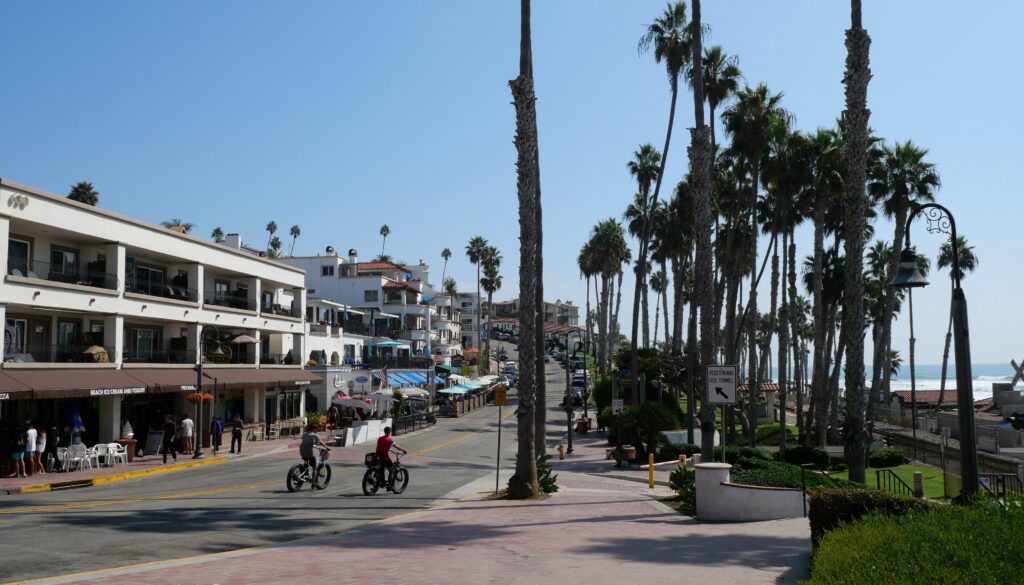
San Clemente is one of the more bike-friendly cities in Southern California, and the coastal trail system — running along the beach and continuing north toward Capistrano Beach and Dana Point — is a big part of daily life here, whether you’re commuting, exercising, or just enjoying the ride. It’s also a place where cyclists, e-bike riders, pedestrians, and cars regularly share space in ways that don’t always go smoothly. When a collision happens between a bicycle and a vehicle, one of the first questions that comes up — often from the cyclist themselves — is who actually had the right of way.
Summer in San Clemente: How Tourist Season Changes Your Accident Risk

A useful way to think about summer in San Clemente is that it doesn’t just add more cars to the road — it adds more of nearly every category of road user at once, in the same relatively small geographic footprint. More pedestrians walking to and from the beach. More cyclists and rental e-bikes on the coastal trail. More rideshare vehicles doing pickups and drop-offs near the Pier and downtown. More parked cars competing for a fixed, and genuinely limited, supply of beach-adjacent parking. And more drivers who don’t live here and aren’t familiar with the timing of local signals, the location of crosswalks, or which streets turn into one-way festival routes on a given weekend.
I-5 Merge Points Near San Clemente and Dana Point: Why These Interchanges Cause So Many Pileups
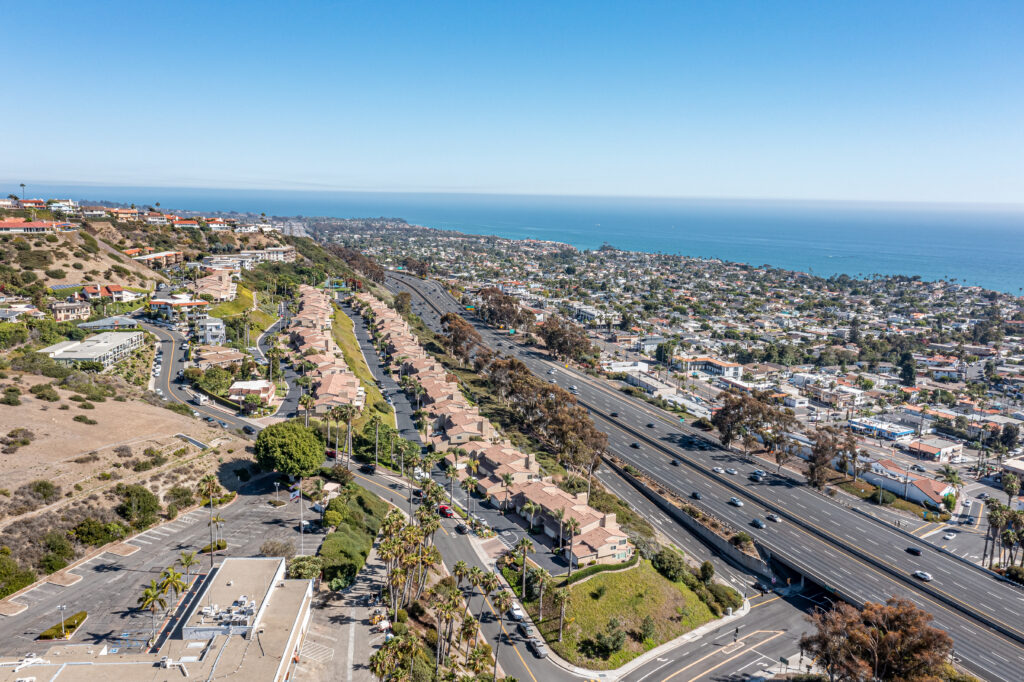
The stretch of I-5 running through San Clemente and into Dana Point has a few features that make this kind of chain-reaction crash more common than on a typical freeway segment: tight merge lanes, a permanent checkpoint that causes sudden slowdowns, and an interchange in Dana Point where several ramps converge into a single lane. This post looks at why merge points are inherently higher-risk, where the specific trouble spots are locally, and — because multi-vehicle pileups raise legal questions that single-car accidents don’t — how fault typically gets sorted out when three, four, or more vehicles are involved.
Selected to 2020 List of Super Lawyers® Rising Stars (Sixth Straight Year)Selected to 2020 List of Super Lawyers® Rising Stars (Sixth Straight Year)
Rosen Law Offices is proud to announce that founding attorney, Steve Rosen, has once again been named as a Super Lawyer Rising Star for the fifth straight year!
Rideshare Safety Concerns in 2020
This blog addresses a number of concerns seen by our rideshare, Uber, Lyft accident attorneys. Providing advice to readers on how to avoid danger during Uber and Lyft rides.